Close Icon

How Peripheral Nerve Repair Works

The goal of the surgery is to allow the nerve fibers (axons) to regrow from the point of injury back to the muscle or skin. Depending on the severity of the gap between the nerve ends, surgeons use several techniques:

  • Primary Repair: If the nerve ends are clean and can reach each other without tension, they are sewn directly together using microscopic sutures.
  • Nerve Grafting: If there is a gap that cannot be closed, a “bridge” is created using a small piece of donor nerve (autograft) taken from another part of your body.
  • Nerve Conduits: For smaller gaps, a synthetic or biological tube may be used to guide the regrowth of the nerve fibers.
  • Nerve Transfer: In severe cases, a nearby healthy (but less critical) nerve is rerouted to “power” the damaged nerve’s original muscle.
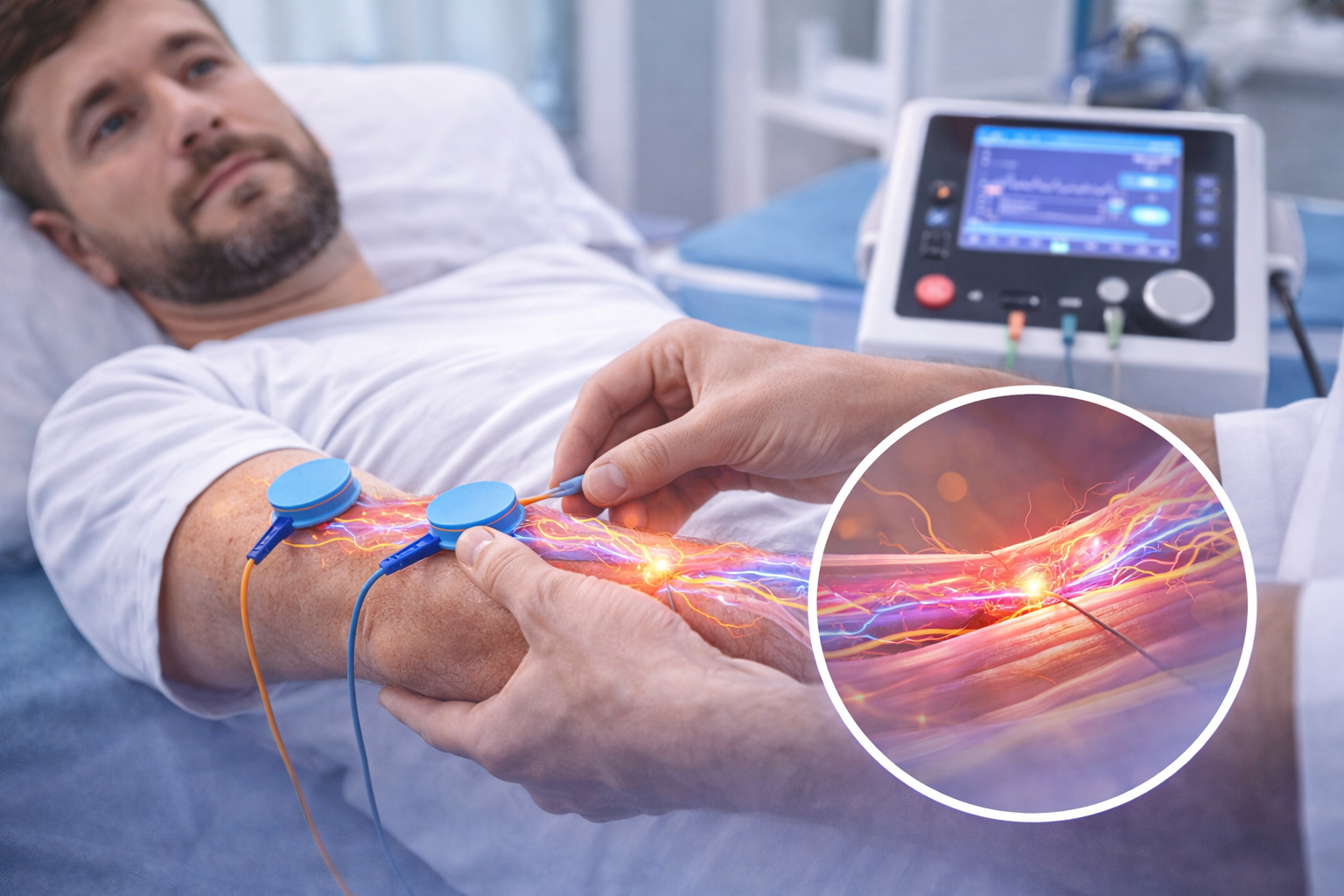
 

Recovery and Outcomes

Patience is a vital part of the healing process. After Peripheral Nerve Repair, the nerve must literally regrow from the site of the repair all the way to its destination.

  1. Protective Phase: The area is often immobilized in a splint to prevent the repair from stretching.
  2. Regeneration Phase: You may feel “pins and needles” or tingling (Tinel’s sign) as the nerve fibers slowly move down the limb.
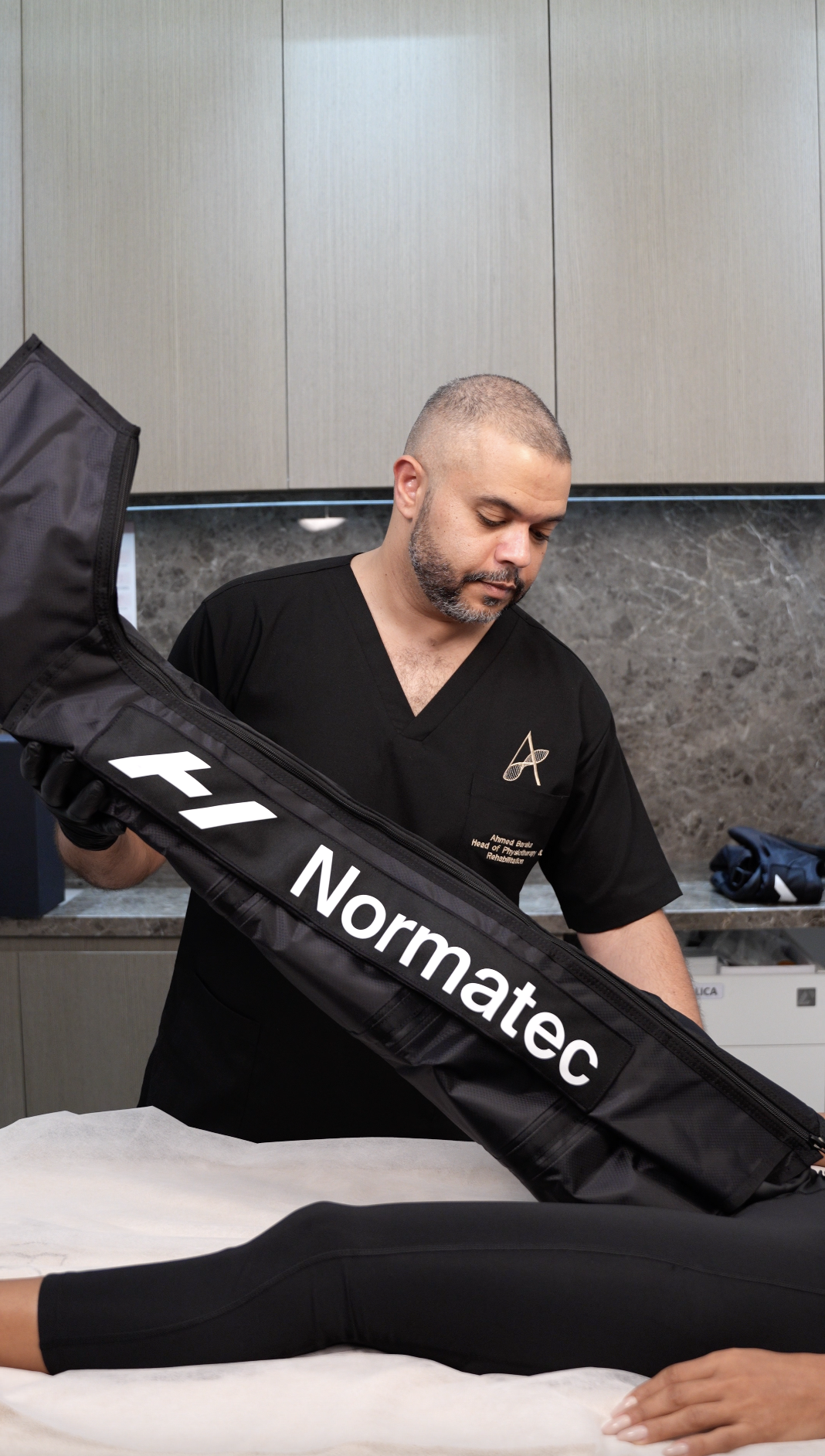
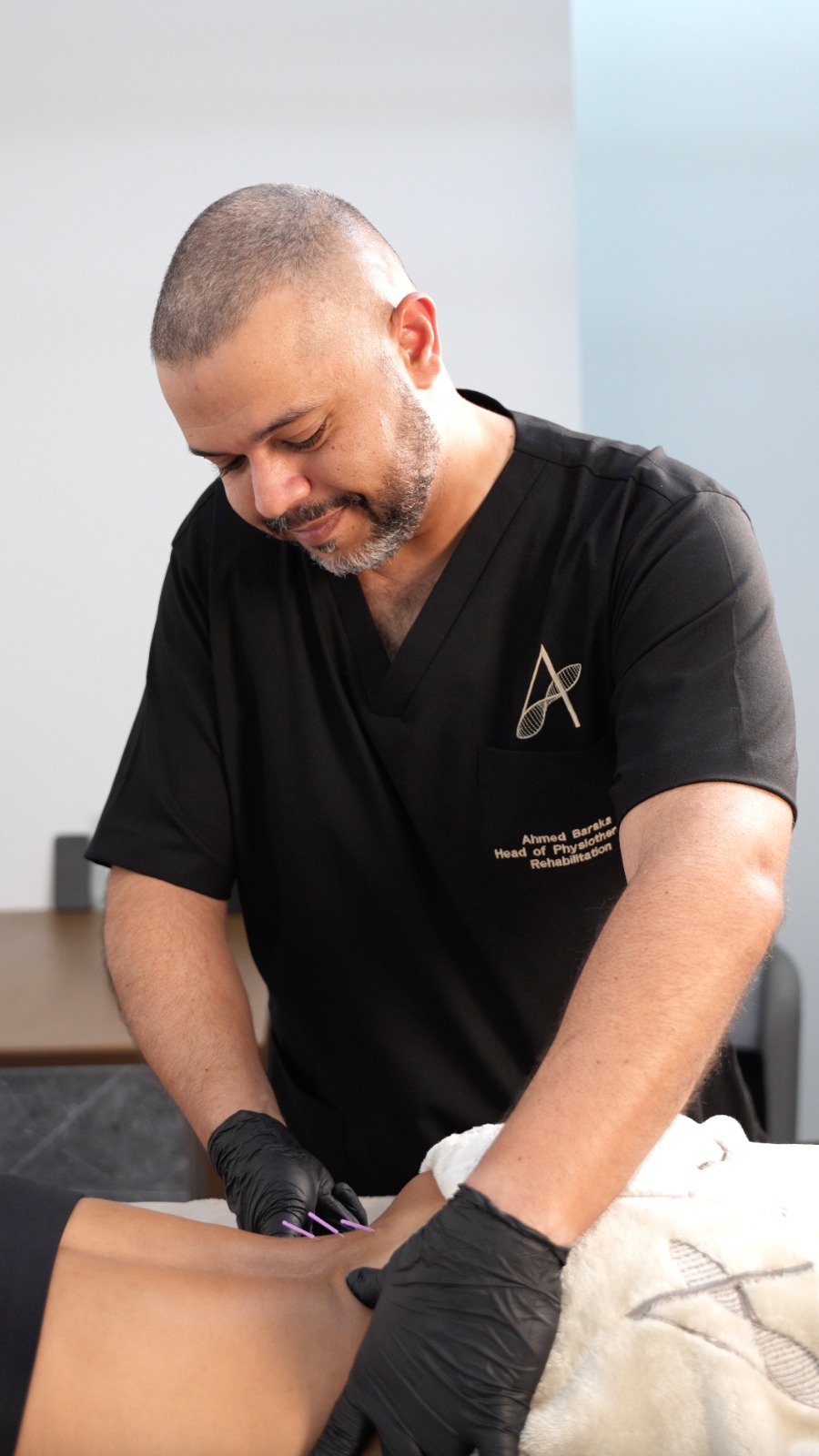
  3. Rehabilitation: Physical and occupational therapy are essential to keep joints flexible and “retrain” muscles as they regain their nerve supply.


What is Peripheral Nerve Repair?

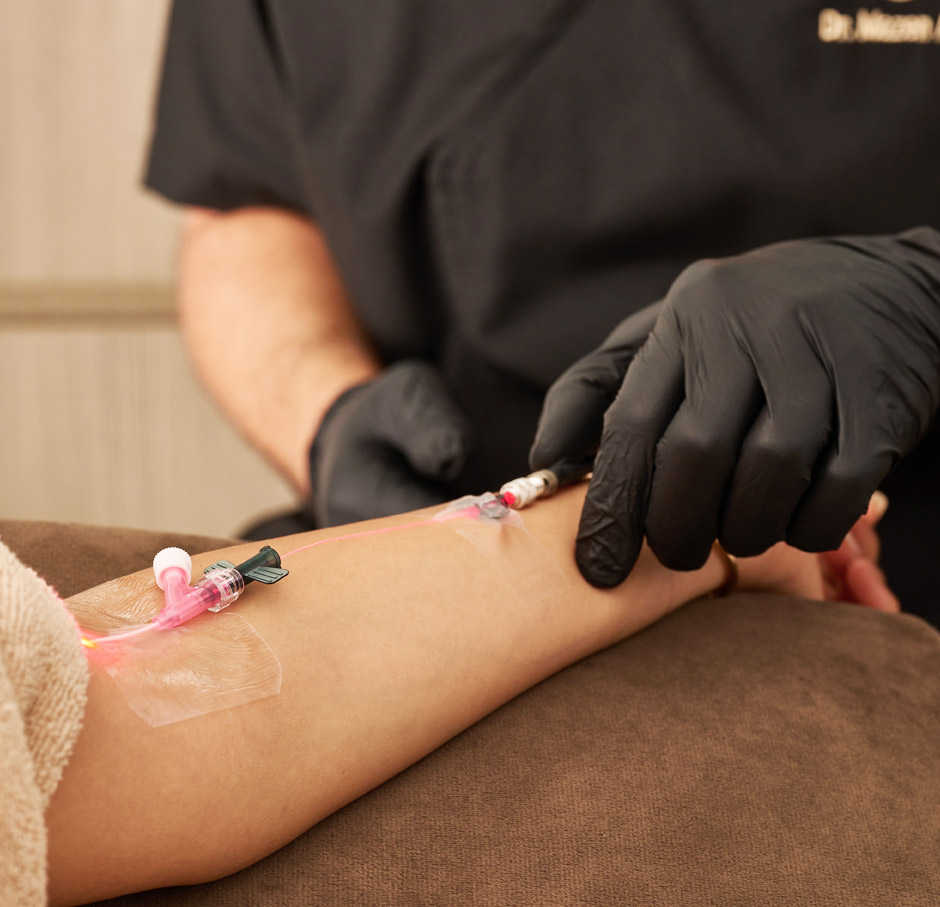
Peripheral nerve repair is a specialized procedure (often surgical or regenerative) aimed at restoring the connection between the brain and the body’s muscles or skin.When a nerve is damaged by injury, compression, or trauma, the signals for movement and sensation are "broken."At The Aeon Clinic, our approach combines advanced neurosurgical evaluation with regenerative therapies like Stem Cell-based interventions to accelerate the natural healing of the nerve’s protective sheath (the myelin) and the inner fibers (axons).

How do I know if I need peripheral nerve repair?

Common signs of peripheral nerve damage include:

  • Numbness or tingling ("pins and needles") in a specific limb.
  • Muscle weakness or visible muscle wasting (atrophy).
  • Burning pain or "electric shock" sensations.
  • Loss of function, such as difficulty picking up small items or moving a limb.

If you experience these symptoms following an injury, a consultation with a specialist is essential to prevent permanent loss of function.

How long does it take for a nerve to heal after repair?

Nerves heal slowly typically at a rate of about 1mm per day (roughly an inch per month). Depending on the distance from the injury to the muscle, recovery can take anywhere from three to nine months, and in some cases, up to two years. Consistency in post-procedure rehabilitation is critical during this "ticking clock" window.

The AEON Approach

At AEON, we pride ourselves in providing cutting edge regenerative treatments that have been developed by medical experts through decades of research and development in the field.

brain

Consultation

body

Analysis

Illustration of a human cell structure

Personalized Treatment Plan

consultation

Follow up

FAQ’s

Common symptoms of nerve damage include persistent numbness, “electric” pain, muscle weakness, or the inability to move specific fingers or toes following an injury. A specialist will use exams and diagnostic tests like EMGs to determine if surgery is necessary.

Nerves generally regenerate at a rate of 1 millimetre per day (roughly one inch per month). Depending on the distance the nerve needs to travel, full recovery can take anywhere from several months to over a year.

While Peripheral Nerve Repair significantly improves function and reduces pain, the degree of recovery depends on your age, the type of injury, and how quickly the repair was performed. Younger patients and those with “clean” cuts typically see the best results.

If a nerve is not repaired, the muscle it controls may permanently atrophy (wither away), and the loss of sensation can lead to accidental burns or injuries because you cannot feel pain in that area.

The procedure is performed under anaesthesia. Post-operative pain is usually manageable with medication, and many patients find that the “nerve pain” they felt before surgery begins to transform into a more manageable tingling sensation as healing progresses.

Your Wellness Journey Starts Here

Book a complimentary consultation with our medical team. We’ll discuss your concerns, assess your goals, and recommend a personalized treatment plan tailored to your individual needs.

Book Your Session Call Our Clinic Whatsapp Now
+971 4 518 5777
E-Gift Vouchers